Automation Disaster

When the robots take over… and immediately break everything.

Tag: autonomous vehicle

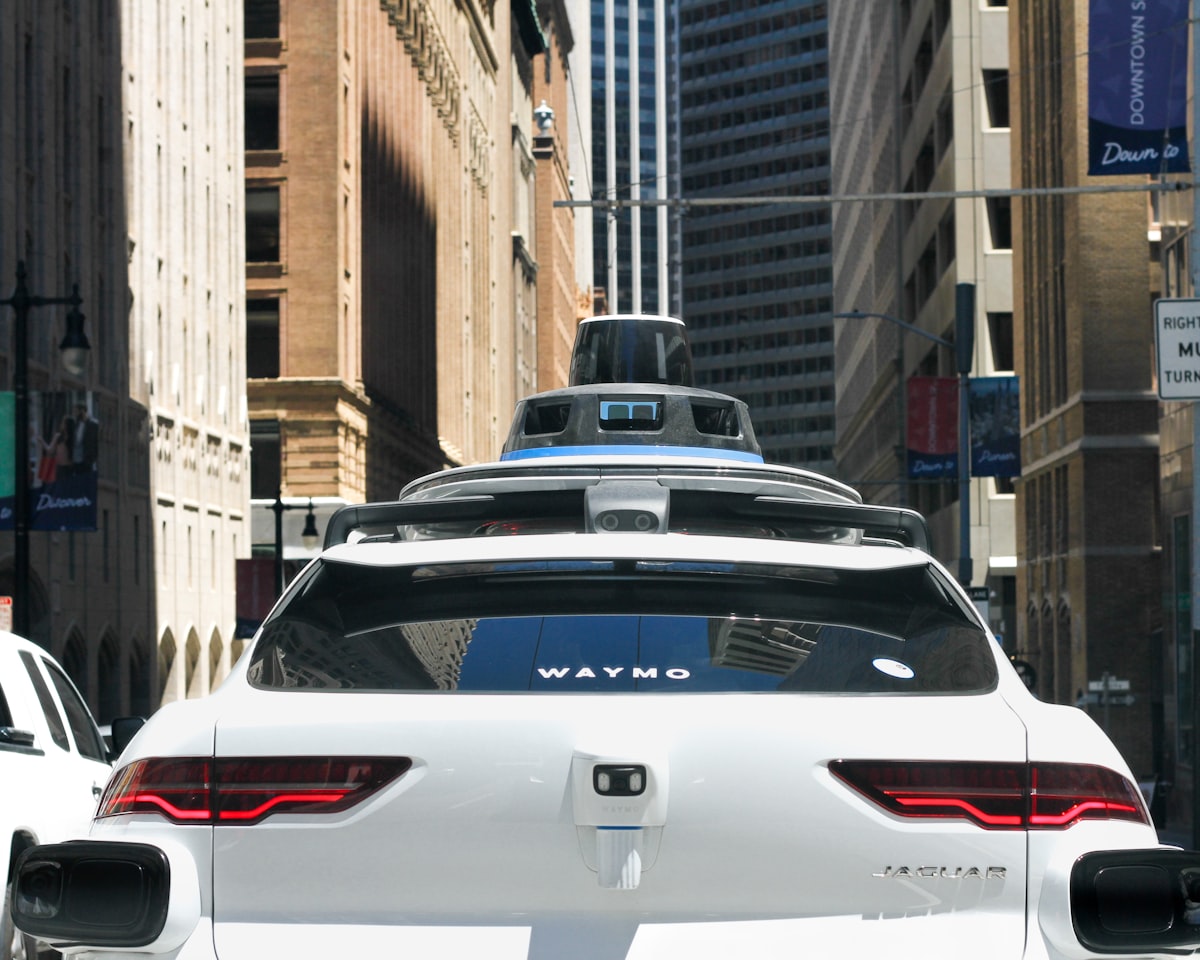
  • Waymo’s Self-Driving Car Hit a Child Near School — During Drop-Off

    Waymo’s Self-Driving Car Hit a Child Near School — During Drop-Off

    January 23, 2026 — Santa Monica, California

    A Waymo autonomous vehicle struck a child during normal school drop-off hours, prompting a federal investigation and raising fresh questions about robotaxi safety around schools.

    The incident occurred when a child ran across the street from behind a double-parked SUV toward the school. The Waymo vehicle — operating in fully autonomous mode — was unable to avoid the collision. The child sustained minor injuries.

    The National Highway Traffic Safety Administration (NHTSA) opened an investigation after Waymo reported the crash. According to the agency, the scene included other children, a crossing guard, and multiple double-parked vehicles — a chaotic environment that autonomous systems continue to struggle with.

    The Pattern

    This isn’t Waymo’s first encounter with vulnerable road users. The Alphabet-owned company has reported multiple incidents involving pedestrians, cyclists, and unpredictable human behavior. While Waymo maintains its vehicles are safer than human drivers overall, school zones remain a particular challenge.

    The double-parked SUV that obscured the child’s path represents exactly the kind of edge case that autonomous systems are still learning to handle. Human drivers might anticipate a child darting from behind a parked car near a school. The algorithm, apparently, did not.

    What Happens Now

    The NHTSA investigation will examine whether Waymo’s software has systemic issues detecting pedestrians in high-traffic school environments. The agency has previously opened investigations into Tesla’s Autopilot and GM’s Cruise following similar incidents.

    For now, Waymo continues operating in San Francisco, Phoenix, Los Angeles, and Austin — including near schools during drop-off hours.


    Source: Reuters, Al Jazeera, CNBC (January 29, 2026)

  • McDonald’s AI Drive-Thru Couldn’t Stop Adding Chicken McNuggets. It Reached 260.

    McDonald’s AI Drive-Thru Couldn’t Stop Adding Chicken McNuggets. It Reached 260.

    🚨 DISASTER LOG #002 | JUNE 2024 | CATEGORY: AUTONOMOUS DISASTERS

    In June 2024, after three years and what we can only imagine were several awkward quarterly reviews, McDonald’s quietly ended its partnership with IBM on AI-powered drive-thru ordering. The official reason was a slew of viral TikTok videos capturing customers in increasingly existential negotiations with a machine that would not stop adding Chicken McNuggets.

    The most famous incident involved two customers pleading, repeatedly, for the AI to stop adding McNuggets to their order. It did not stop. It added more. It reached 260 McNuggets. The AI heard the word “stop” and filed it under “yes, more nuggets.” McDonald’s deployed the technology at over 100 US drive-thrus before someone finally asked: what if we just hired a person?

    “No, stop. Stop. I don’t want that many. Please stop adding them.”

    — An actual McDonald’s customer, speaking to an AI ordering system that was not listening

    A THREE-YEAR EXPERIMENT IN NUGGET MAXIMALISM

    Let’s appreciate the timeline here. McDonald’s and IBM shook hands in 2021, presumably over a very confident PowerPoint deck about the future of fast food. For three years, the AI ordered things, misheard things, and invented orders that no customer intended. And somehow, the experiment ran for three full years across 100+ locations before the company read the room — or more precisely, watched the TikToks.

    The McNugget incident wasn’t an isolated bug. It was a pattern. Customers reported the system adding items they didn’t want, misinterpreting orders through background noise, and generally producing the kind of experience that made people long for the glory days of a cashier who could at least pretend to be listening.

    📋 DISASTER DOSSIER

    Date of Incident: Ongoing 2021–2024; shut down June 2024
    Duration: Three years of suffering
    Primary Victim: Customers who just wanted ten nuggets
    Secondary Victims: McDonald’s brand; IBM’s AI reputation
    Tool Responsible: IBM’s AI voice ordering system
    Peak Failure: 260 Chicken McNuggets added to a single order
    Official Response: “We’re ending the test” (not “we’re sorry”)
    Resolution: McDonald’s said it still sees “a future in voice ordering”
    Irony Level: 🍗🍗🍗🍗🍗 (Maximum)

    WHAT WENT WRONG (BESIDES EVERYTHING)

    Drive-thru is one of the noisiest, most acoustically hostile environments on earth. There’s traffic, car engines, children, wind, and the general chaos of people who haven’t decided what they want yet and are negotiating with the rest of the car. Into this environment, McDonald’s deployed a voice AI that needed quiet, clear diction to function correctly.

    The AI’s persistent upselling behavior — adding items instead of removing them, treating “stop” as an opportunity for more — suggests the system may have been optimized for order value rather than order accuracy. A small but important distinction when you’re trying to get eight McNuggets and instead receive an invoice for 260.

    THE BRAVEST PART OF THE POST-MORTEM

    McDonald’s announcement that it “still sees a future in voice ordering solutions” after shutting down the current voice ordering solution is the kind of corporate optimism that deserves its own award category. The future is bright. The nuggets, however numerous, will eventually be ordered correctly. They just need a few more years, a different AI, and possibly soundproofed drive-thru booths.


    Sources: Restaurant Business (internal McDonald’s memo, June 2024), multiple TikTok videos that should be preserved as historical documents. McDonald’s and IBM declined to provide the AI’s perspective.